
Charlotte Hall, MD Roofing, Siding, Gutters, and Interiors
Roof repair, replacement, inspections, restoration, storm claim support, and gutters in Charlotte Hall, MD. Clear scopes, photos, clean job sites.
Roofing in Charlotte Hall, MD Built for Rural Roads and Real Weather
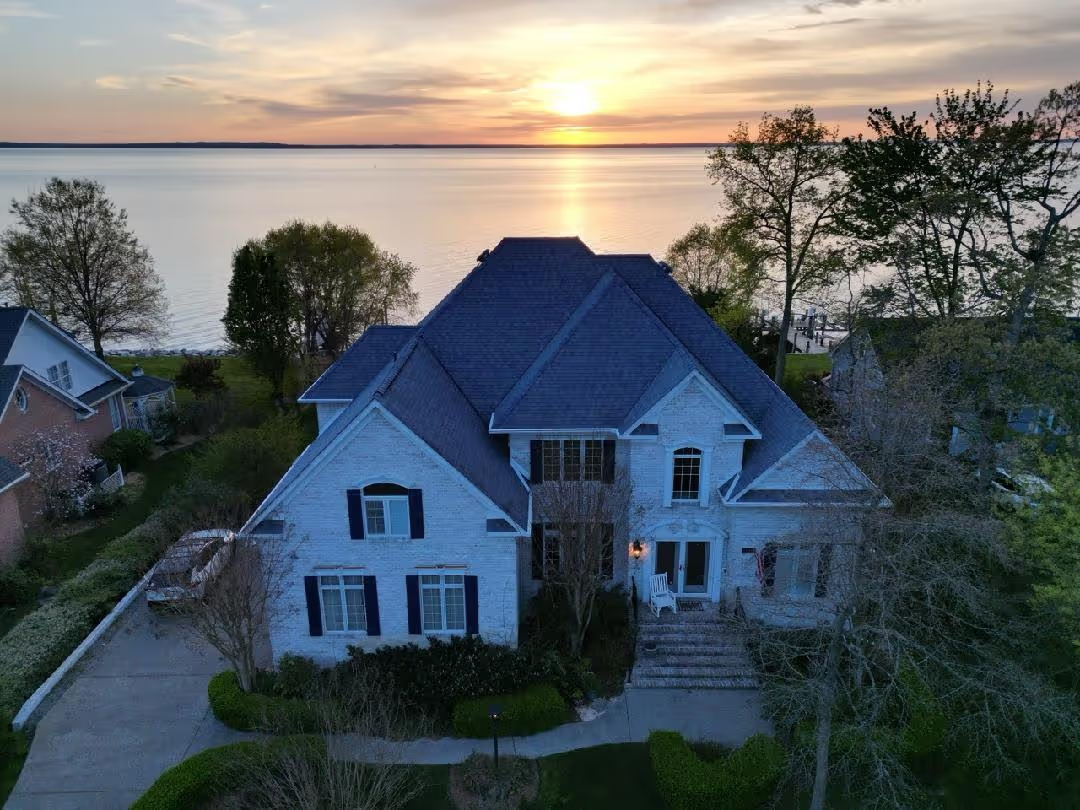
Local Roofing Services in Charlotte Hall
From emergency repairs to full replacements, we provide comprehensive roofing solutions for Charlotte Hall and surrounding St. Mary's County areas.
.avif)
Roof Inspection
An inspection helps you decide what to do next, especially after storms or before selling. We review surface condition, flashing integrity, penetrations, ventilation, and visible decking concerns where accessible. You will receive a prioritized list with photos, so you know what needs attention now and what can be budgeted later.

.avif)
Roof Repair
If you see staining, missing shingles, or a drip after rain, repairs start with finding the true entry point, not the interior symptom. We check flashing, valleys, boots, and fasteners, then provide options based on roof age and urgency. Ask for photos and a simple explanation of what failed and what was replaced.
.webp)
Roof Replacement
Replacement is often the right call when the roof is at end-of-life or failures keep repeating. We explain tear-off scope, potential decking repairs, and how ventilation and flashing upgrades affect longevity. Ask for a timeline from material delivery through final cleanup and walkthrough documentation.
.avif)
Storms & Insurance Claims
Storm response is about safety, documentation, and temporary protection first. We help identify storm-related damage patterns and prepare a scope you can reference during the adjuster visit. Coverage decisions vary by policy and findings, so we keep the process neutral and organized, with clear photos and measured observations.
.jpg)
Roof Restoration
Restoration can make sense when the roof structure is sound but weathering is accelerating. We evaluate surface wear, sealing points, and drainage behavior, then explain what restoration includes and what it cannot fix. Homeowners usually ask about cost range and expected service life, so we lay out realistic tradeoffs up front.
.avif)
Gutters & Guards
Overflowing gutters can mimic roof leaks during heavy downpours. We assess pitch, downspout placement, discharge paths, and fastening, then recommend sizing and guard options that match your tree coverage. Ask what is included in cleaning, resealing, and securing the system so water stays off fascia and foundations.
Ready To Claim Your Free Certified Inspection?
Get in contact with a Southern Maryland Roofing Contractor your can trust with all your roofing needs!


Fill Out The Form or Contact Us Directly!
Need a quick response and reliable roofing contractor for your Maryland Home or Business? Give us a call and we'll be able to help.

Property Types We Serve in Charlotte Hall
Whether residential, multi-family, or commercial, we tailor our roofing approach to your property's specific needs and local conditions.
Residential Roofing
For Charlotte Hall homes, we focus on the details that stop leaks for the long haul: clean step flashing, properly sealed penetrations, and balanced intake and exhaust ventilation. You can expect a staged work plan, protection for landscaping, and a thorough cleanup that includes magnet sweeps. We document the scope clearly so you understand materials, workflow, and what is included.
.avif)
Multi-Family Roofing
Multi-family roofing needs predictable scheduling, safe staging, and daily cleanup that respects residents and access routes. We plan tear-off zones, debris handling, and clear communication, then track flashing and ventilation details building by building. You receive practical documentation for maintenance and warranty files, plus a workflow designed to reduce disruption across units and common areas.
.avif)
Commercial Roofing
Commercial roofing often comes down to drainage, penetrations, and minimizing downtime. We evaluate slope, edge metal, drains or scuppers, and transitions at equipment curbs, then recommend a system that fits the building use and budget. Expect a safety-forward plan, clear timelines, and close attention to water flow so the roof sheds properly after heavy rain.
Leak Detection Along the MD-5 Corridor
In the New Market area and down toward Mechanicsville, leaks often trace back to flashing transitions, pipe boots, or valleys that collect debris during heavy rain. Our repair process starts with a targeted evaluation to find the true entry point, then we address the system detail that is failing, not just the visible symptom. Expect before-and-after photos, notes on any soft decking in the repair zone, and a clear explanation of what was replaced or resealed near the MD-5 corridor.
Repair vs Replace Guidance for Aging Roofs
If your roof near Loveville or Golden Beach has needed repeated patching, we help you compare short-term repair to longer-term replacement. We look at shingle brittleness, granule loss, exposed fasteners, and flashing fatigue, plus ventilation and moisture patterns that can speed up failure. You will get a practical decision path based on roof age and condition, and we will explain whether a repair is likely to hold through the next seasons or simply buy time.
Replacement Planning Around MD-6 and Local Access
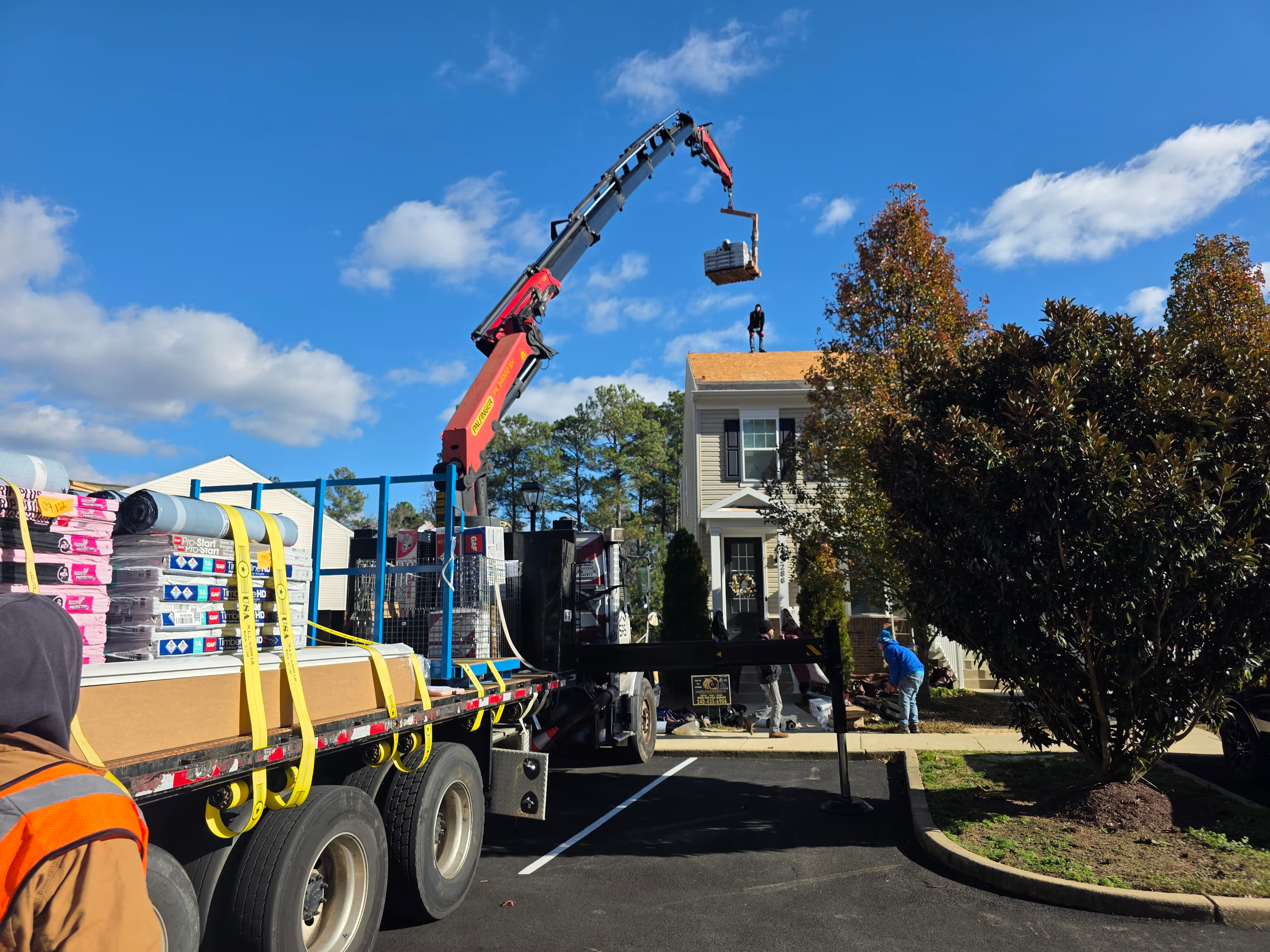
Replacement goes smoother when the plan accounts for access, staging, and weather windows. In Hughesville and Bryantown, driveway layouts and detached structures can affect delivery placement and debris handling, so we map that out up front. You will receive a written scope that explains underlayment, flashing details, ventilation plan, and what happens if decking repairs are needed once the old roof is removed. Cleanup and a final walkthrough are part of the process.
Choosing Materials and Ventilation for Long-Term Value
Material choice is not just curb appeal, it is performance in local conditions. For homes near Loveville and Golden Beach, we discuss shingle options, metal details where appropriate, and how balanced ventilation helps manage attic heat and moisture. We also clarify warranty documentation expectations and basic maintenance habits that support longevity. You will leave the estimate understanding what you are buying, how it is installed, and why the details matter.
What a Professional Roof Inspection Covers Here
A roof inspection should answer real homeowner questions: what is failing, what is urgent, and what can wait. In Huntersville and New Market, we check shingles or membrane condition, flashing at walls and penetrations, ridge and intake ventilation, and gutter tie-ins that can drive overflow. You can expect photos and a short prioritized list, plus clear notes on any moisture indicators or weak points found near MD-6 and its connecting roads.
Inspection Timing After Wind and Heavy Rain
Southern Maryland weather can loosen tabs, lift edges, and push water into weak points. If you are near the Charlotte Hall Veterans Home or commuting toward La Plata, scheduling an inspection after severe weather helps catch small problems before they become interior damage. We will explain what to document, what to monitor, and what questions to ask if you are comparing bids, including ventilation checks and flashing upgrades that reduce repeat leaks.
.avif)
When Restoration Fits Rural Southern Maryland Wear
Charlotte Hall roofs deal with humidity, heat cycles, and long rain events that can accelerate surface aging. For properties near Dentsville or Hughesville, restoration may be a smart middle step when the system is structurally sound but showing accelerated wear. We evaluate surface condition, sealing points, and drainage behavior, then explain prep steps, what is included, and how scheduling works around weather windows on the MD-6 corridor.
Material-Specific Options and Clear Limits
Restoration is not a cure for bad flashing or failing decking, so we confirm the roof is a good candidate first. Near Gilbert Run Park and the MD-5 retail corridor, many homes have main roofs plus porch or addition tie-ins where details matter. We walk you through what gets sealed, what gets replaced, and how ventilation or drainage improvements can matter as much as the restoration product itself. You will know what it can accomplish and where replacement is the wiser move.
First Steps After a Storm in St. Mary's County
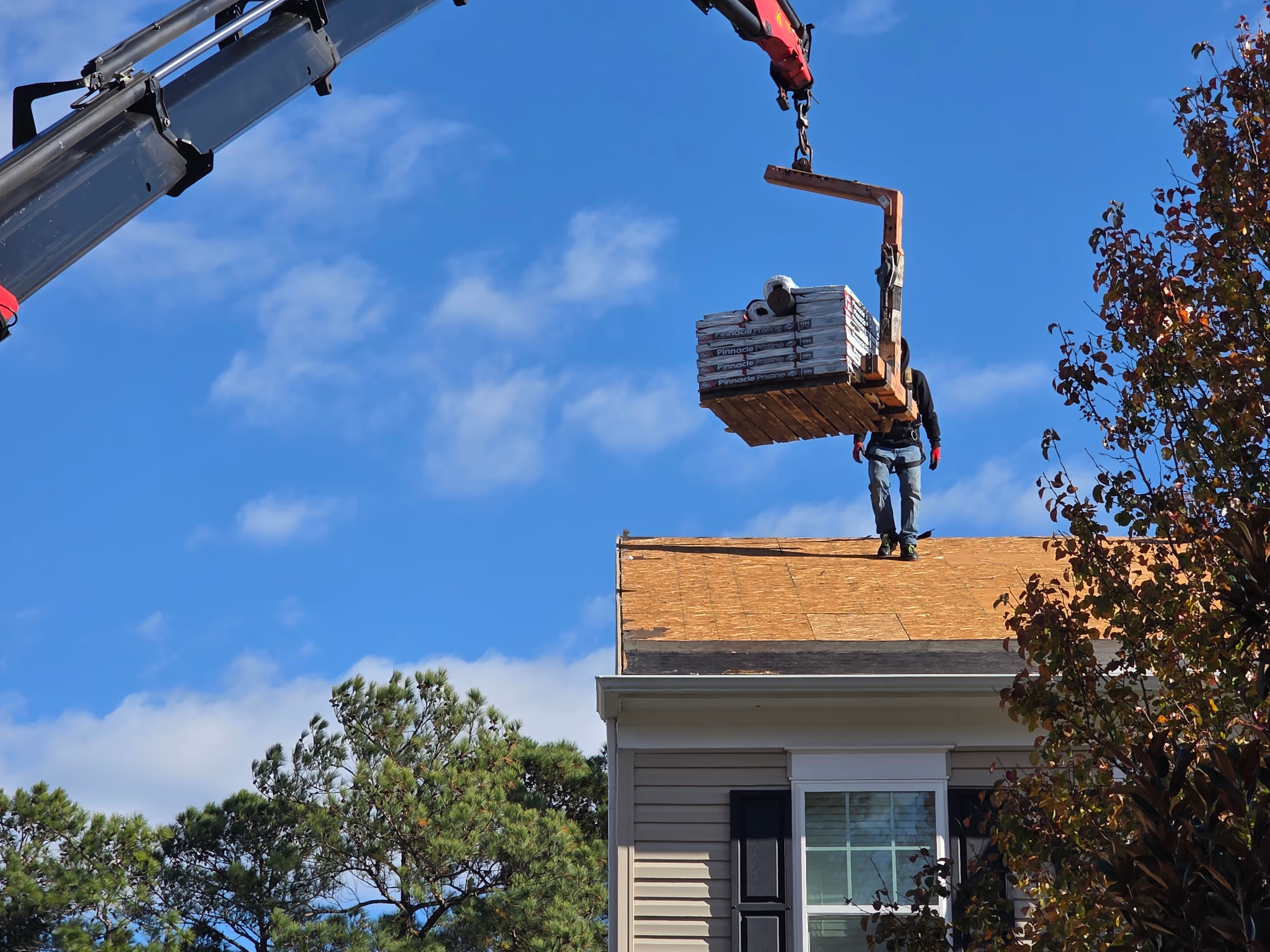
Start with safety, then documentation. If you are near the Charlotte Hall VA Clinic or the MD-5 corridor, take wide and close-up photos, note the date, and protect interior areas if water is entering. We can help identify damage patterns that are commonly evaluated, like lifted shingles, flashing impacts, and gutter damage, and we can discuss temporary dry-in options when needed. Claims outcomes vary, so we stay focused on clear records and a clean process.
What to Expect During the Adjuster Visit
Most homeowners want to know what to bring and how the roof review typically works. For properties near the library and Charlotte Hall Commons, we help you organize photos, prior repair records, and a simple damage summary, then walk the roof methodically so nothing is overlooked. You can expect clear communication about what was observed, what measurements were taken, and what repair or replacement paths may be proposed based on roof age, system condition, and documented damage.
.avif)
Water Management for Tree Coverage and Heavy Rain
Gutters protect fascia, siding, and foundations when downpours hit. In New Market and Huntersville, tree debris can clog gutters and valleys quickly, causing overflow that looks like a roof leak. We check pitch, hanger spacing, seams, and downspout discharge, then recommend improvements that move water away from the home. Expect clear notes on what is being secured or resealed and where the drainage path needs to change near the MD-6 corridor.
Guard Options and Maintenance Expectations
Guards are not one-size-fits-all, so we match the style to roof pitch, debris type, and homeowner expectations. Near Gilbert Run Park and the MD-5 corridor, leaf litter and pine needles can behave differently in heavy rain, so we explain what guards can reduce and what they cannot stop. You will get a simple list of what is included, how the system is fastened and sealed, and how often to check downspouts and discharge blocks.
.avif)
HAAG Certified Roof Inspector
HAAG Residential
Certified Inspector

Certified HAAG Master Level Damage Inspector
Master Inspector

HAAG Commercial
Certified Inspection

Click The Icons To Connect With Us!


.avif)


.avif)
.svg.avif)
.avif)
Frequently Asked Questions
Common questions from Charlotte Hall homeowners about roofing, repairs, and our services.
Should I repair or replace my roof in Charlotte Hall?
If the roof is newer and the issue is isolated, repair is usually the best first step. If you are seeing repeated leaks, widespread shingle wear, or soft decking areas, replacement may be more cost-effective long term. In Charlotte Hall, wind-driven rain can expose weak flashing quickly, especially along MD-5. A photo-documented inspection helps you compare a real repair scope versus a replacement scope without guessing.

How often should I schedule a roof inspection in Southern Maryland?
Many homeowners schedule a yearly inspection, plus an extra check after severe storms or high-wind weather. Around Charlotte Hall, humidity, heavy rain, and seasonal temperature swings can loosen seals over time. A useful inspection covers flashing, penetrations, ventilation balance, and drainage tie-ins, then delivers a prioritized list so you know what to address now and what to plan for later.
What are common roof leak causes in the Charlotte Hall area?
Leaks often start at step flashing, pipe boots, valleys, skylight edges, or fasteners that back out over time. Overflowing gutters can also push water behind fascia, which can look like a roof problem. In areas with heavier tree coverage near MD-6, debris can accelerate clogging and water backup. The best fix targets the entry point and the roof detail that failed, not just the interior stain.
What should I do first after storm damage to my roof?
Start with safety and documentation. Take photos from the ground and from safe vantage points, note the date, and protect interior areas if water is entering. In Charlotte Hall, it is common for wind to lift shingles and for rain to exploit weak flashing details. Schedule an inspection to confirm what is damaged and what needs temporary protection. Insurance decisions vary, so keep records organized and factual.
How long does a roof replacement take in Charlotte Hall, MD?
Timeline depends on roof size, pitch, number of layers, and whether decking repairs are needed. Many residential replacements are completed in a short scheduled window, but weather can affect timing. Access and staging also matter in more rural layouts. A good contractor should outline the flow from delivery to tear-off, installation, cleanup, and final walkthrough, including what happens if hidden decking issues appear.
What warranties should I expect on roofing work?
Warranties typically include manufacturer coverage for materials and workmanship coverage from the contractor. Ask what documentation you will receive, what maintenance is expected, and what exclusions apply. In Southern Maryland, ventilation and installation details can affect warranty requirements, so it is smart to review intake and exhaust plans during the estimate. A clear written scope makes warranty terms easier to understand.
Do gutter guards help in Charlotte Hall, and which type is best?
Guards can reduce clogging, but the best type depends on debris, roof pitch, and how your downspouts are configured. Around Charlotte Hall, leaf litter and pine needles can behave differently in heavy rain. Ask how the guard is fastened, how downspouts stay protected, and what maintenance is still needed. Proper pitch, secure hangers, and sealed seams matter as much as the guard style.
How do estimates and scheduling typically work with Golden Eagle Roofing?
Most projects start with an inspection visit that documents roof condition and separates repair options from replacement options. After the evaluation, you should receive a written scope with photos and clear next steps, then scheduling is set based on urgency, material lead times, and weather windows. In the Charlotte Hall area, crews often coordinate staging around driveways and access points so you know what to expect before work begins.